





Listed in Road Maintenance
Sometimes a simple pothole patch just won’t cut it. Maybe the road is starting to look more like a patchwork quilt than a smooth surface. Maybe those same holes keep coming back, no matter how many times you’ve filled them. When that happens, it might be time to step up the game with grinding and patching.
What Is Grinding and Patching?
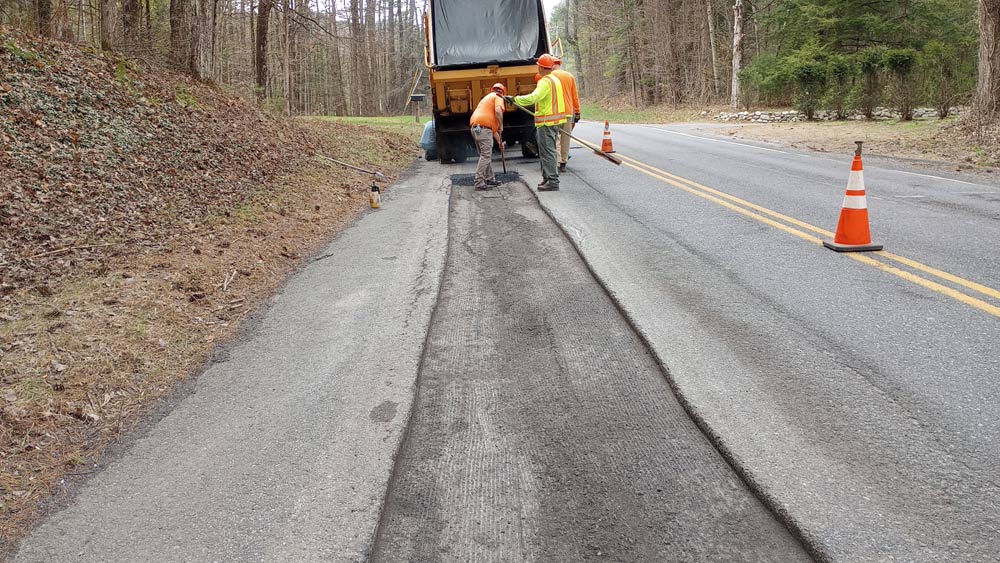
Grinding and patching is a more comprehensive repair process than just plugging potholes. It involves removing (grinding) the damaged surface layer of the asphalt and replacing it (patching) with fresh material. This method gives you a more even, longer-lasting fix without having to repave the entire road.
It’s sort of like fixing a sagging piece of drywall. You can spackle a few cracks, sure, but if the whole section is crumbling, it’s better to cut it out and patch in a new piece.
When to Choose Grinding and Patching
So, when is this the right move? Grinding and patching is a solid choice when:
-
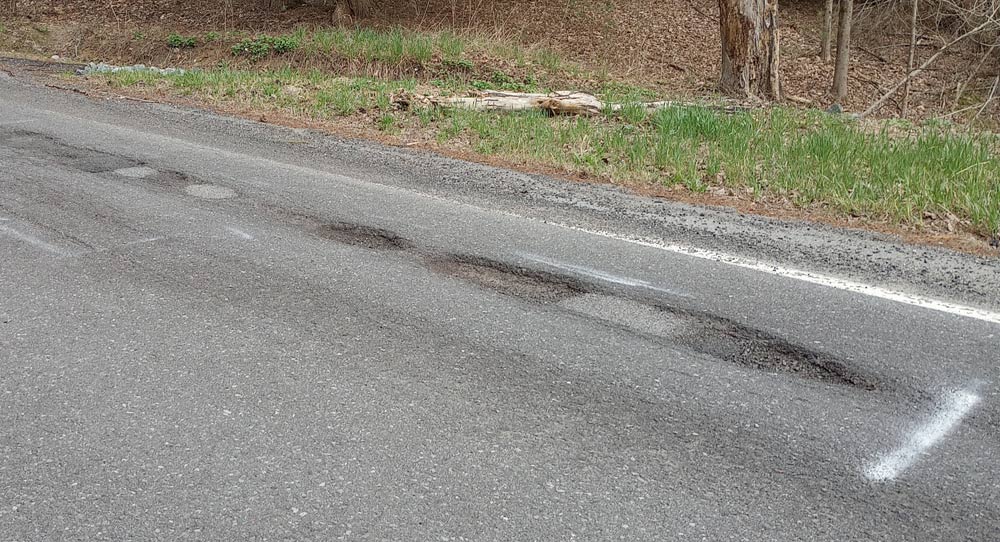
There are multiple potholes in the same area – Instead of chasing one after another, it’s more efficient to fix the whole section.
-
The road surface is uneven or crumbling – If the asphalt is failing on a wider scale, patching individual spots won’t hold up.
-
Drainage is compromised – Water pooling in rutted areas will keep eating away at your repairs.
-
You want a smoother driving surface – Repeated pothole filling creates lumps and bumps. Grinding first gives a flush, seamless finish.
-
Potholes keep coming back – That’s a sign of deeper structural issues. A grind and patch can reach the problem layer.
Think of it as somewhere between pothole repair and full resurfacing. It’s less expensive and time-consuming than repaving but far more effective than just tossing in a few shovels of cold patch.
The Equipment You’ll Need
Here’s what you typically use in a grind-and-patch operation:
-
Cold Planer (Milling Machine): This machine grinds off the top layer of damaged asphalt. Depending on the job, you might use a smaller skid-steer attachment or a full-size milling machine.
-
Dump Truck: To haul away the ground-up material or bring in hot mix asphalt.
-
Tack Coat Sprayer: Applies a sticky bonding layer between the old surface and new asphalt to help it adhere.
-
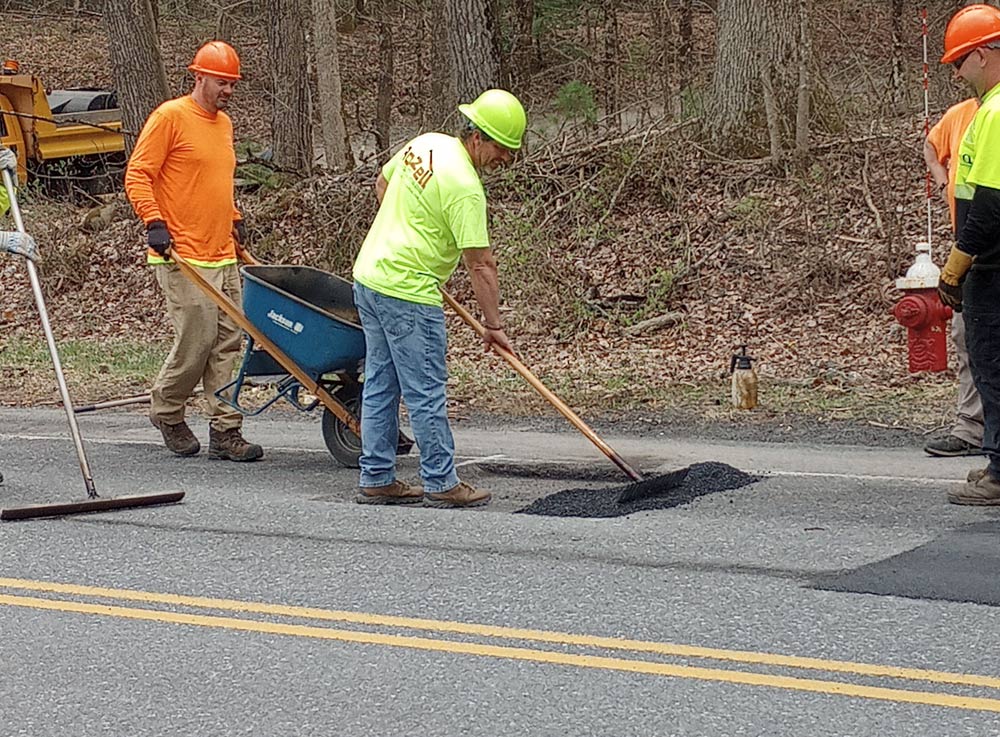
Paver or Rake Crew: Depending on the size of the patch, you’ll either use a mechanical paver or hand-apply and rake the new asphalt into place.
-
Roller or Plate Compactor: Compacts the new asphalt for a smooth and durable surface.
A Smart Middle Ground
Grinding and patching offers a middle-ground solution that balances cost, durability, and time. It’s especially useful for towns and cities dealing with limited budgets and long maintenance backlogs. Rather than continually throwing money at the same problem spots, you’re giving those sections of road a clean slate.
So the next time you’re planning road repairs, take a good look at the surface. If it’s riddled with potholes or starting to disintegrate, don’t just fill the holes. Grind and patch the whole area. Your drivers (and your budget) will thank you later.