





Listed in Road Maintenance
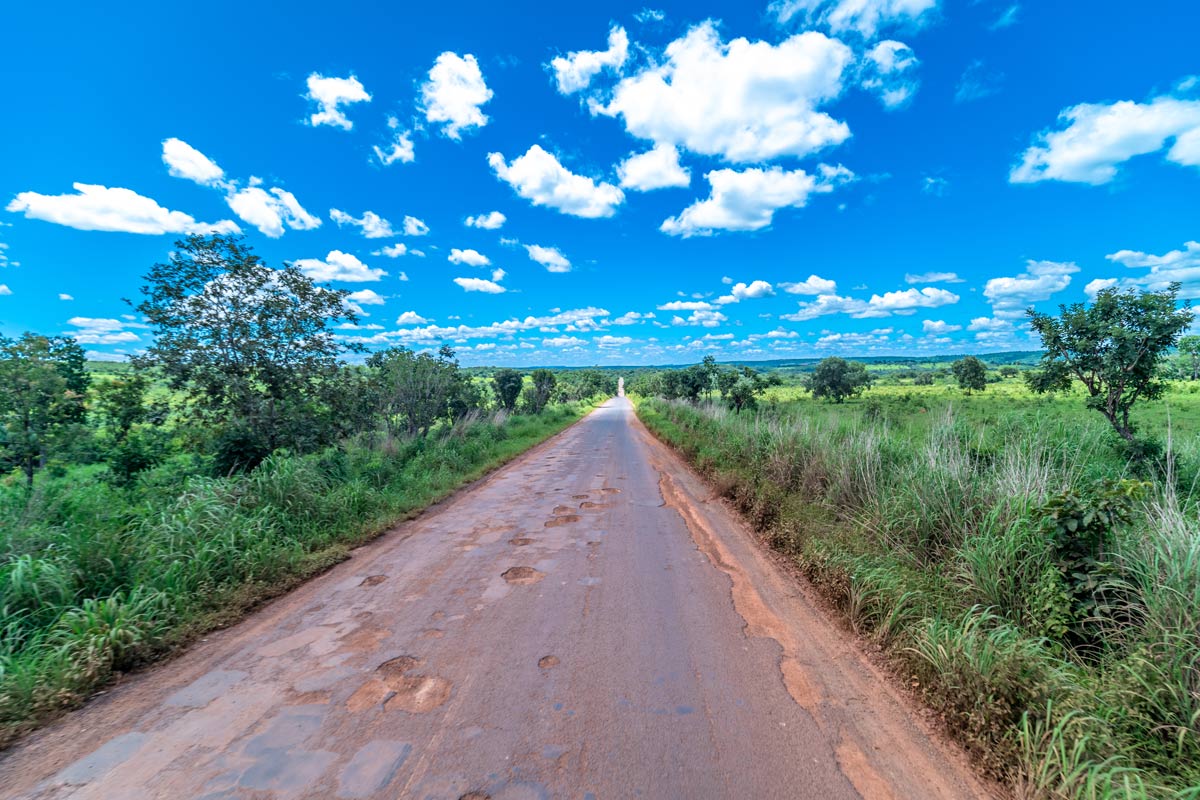
Not every road sees rush hour traffic or endless lines of commuters. Some roads quietly wind through the countryside, connecting farms, homes, and small towns. These low-traffic rural roads might not grab headlines, but they play a vital role in the daily lives of the people who depend on them. Maintaining them, however, comes with a unique set of challenges that municipalities and highway departments often have to manage with limited resources.
Low Traffic, But Not Low Importance
Just because a road doesn't see thousands of cars a day doesn't mean it's not essential. Rural roads are lifelines for farmers moving equipment, delivery drivers, school buses, emergency services, and everyday residents. But keeping these roads in good shape isn't as straightforward as it may seem.
Budget Constraints
One of the biggest challenges is funding. Most rural towns operate on tight budgets, and transportation dollars tend to go where the traffic is. When faced with limited funds, it’s hard to justify major repairs or upgrades on a road that only sees a handful of vehicles each day, even if it’s falling apart.
Maintenance Often Gets Deferred
Because of budget limitations and other priorities, maintenance on rural roads often gets delayed or skipped altogether. Small problems, like cracks or minor drainage issues, can turn into much larger (and more expensive) problems when left unattended. By the time repairs are made, it may require full-depth reconstruction instead of a simple fix.
Hard-to-Reach Areas
Some rural roads travel through remote or difficult terrain; think hills, forests, or areas prone to flooding. Getting equipment out there takes time, and in bad weather, it might be impossible. This isolation can delay repair efforts and leave residents cut off when they need access the most.
Lack of a Solid Base
A lot of older rural roads were never designed to today’s engineering standards. They may lack proper drainage or a sturdy subbase, which means they’re more susceptible to potholes, rutting, and other damage. Seasonal weather changes, especially freeze-thaw cycles, can wreak havoc.
Drainage Is a Constant Battle
Drainage plays a huge role in the health of any road, but rural roads often suffer from poor ditching and overgrown culverts. Water that doesn't get directed away from the road will find its way underneath it, softening the base and leading to rapid deterioration. Many towns simply don't have the staff to keep up with all the needed ditching and culvert work.
Community Expectations
It’s a tricky balance. Residents expect safe, reliable roads, but also want towns to keep spending in check. Explaining to someone why their road hasn't been resurfaced in 15 years, while the highway just got a fresh coat of blacktop, isn’t always easy.
So What Can Be Done?
Some towns are starting to explore low-cost surface treatments like chip sealing or cold mix overlays to stretch their maintenance dollars. Others are investing in road asset management tools to better track road conditions and prioritize work based on data. Collaboration with neighboring towns or counties to share equipment and labor can also help lighten the load.
At the end of the day, rural roads may not carry the most traffic, but they carry people, goods, and the spirit of rural America. Keeping them in good shape takes creativity, commitment, and a deep understanding of the unique challenges they present.