





Listed in Stormwater Management
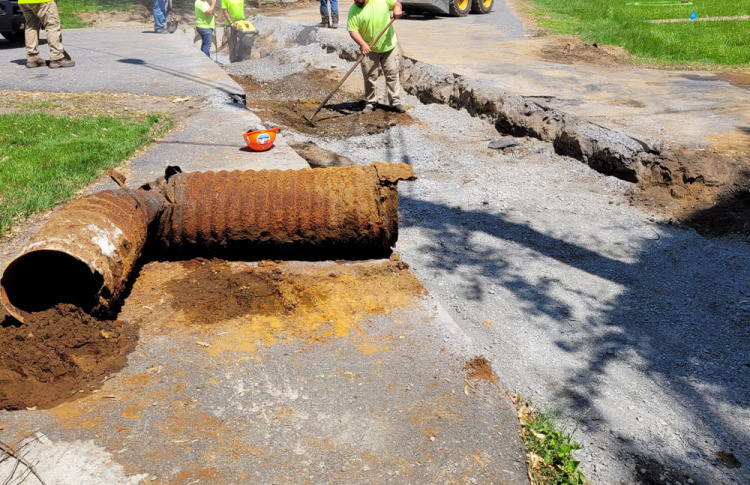
Stormwater drainage systems are among the most important (and often most overlooked) assets owned by municipalities. Hidden beneath roads, driveways, and rights-of-way, culverts and drainage pipes quietly move stormwater away from infrastructure and help prevent flooding, washouts, and road failures. One of the most common materials used for stormwater conveyance is corrugated metal pipe (CMP). For decades, municipalities have relied on corrugated steel pipe because it is durable, relatively inexpensive, and capable of handling large drainage flows. However, like any infrastructure asset, corrugated metal pipe has a finite service life.
How Long Does Corrugated Metal Pipe Last?
The expected life expectancy of corrugated metal stormwater pipe varies significantly based on environmental conditions, installation practices, and material specifications.
In general:
- Galvanized corrugated steel pipe typically lasts 25 to 50 years.
- Aluminized Type 2 corrugated steel pipe often lasts 50 to 75 years or more.
- Polymer-coated corrugated steel pipe may provide 75 years or greater service life under favorable conditions.
It is important to remember that these are estimates. Some pipes fail much sooner, while others continue functioning well beyond their projected lifespan.
Factors That Can Shorten Pipe Life
1. Corrosive Soil Conditions
Soil chemistry plays a major role in determining how long a metal pipe will last. Highly acidic or alkaline soils can accelerate corrosion of the pipe wall. Areas with low pH soils, industrial contamination, or naturally corrosive groundwater often experience significantly reduced pipe life.
2. Water Chemistry
The water flowing through a pipe can be just as important as the soil surrounding it.
Drainage systems carrying water with:
- Low pH levels
- High salt concentrations
- Industrial runoff
- Agricultural chemicals
may experience accelerated internal corrosion.
3. Abrasion
Pipes carrying sand, gravel, or other abrasive materials can wear from the inside out. Fast-moving stormwater transporting sediment acts much like sandpaper over time. Abrasion is particularly common in steep drainage systems, mountain regions, and locations where road ditches frequently carry sediment during heavy storms.
4. Poor Installation Practices
Even the highest-quality pipe can fail prematurely if improperly installed.
Common installation issues include:
- Inadequate bedding
- Poor backfill compaction
- Insufficient cover depth
- Improper alignment
- Damage during installation
Because corrugated metal pipe relies on interaction with surrounding soil for structural support, proper installation is critical.
5. Heavy Traffic Loads
Roadways carrying heavy truck traffic place substantial stress on buried infrastructure. If a pipe lacks adequate cover or was not properly installed, repeated loading can lead to deformation, separation at joints, or structural failure.
6. Lack of Maintenance
Blocked culverts and drainage pipes often retain standing water and sediment. This can increase corrosion rates and reduce hydraulic capacity.
Regular maintenance activities such as:
- Debris removal
- Sediment cleaning
- End section repairs
- Vegetation control
can significantly extend service life.
Warning Signs of Deterioration
Municipalities should periodically inspect drainage infrastructure for signs of deterioration, including:
- Rust perforations
- Pipe wall thinning
- Joint separation
- Sagging or settlement
- Sinkholes above the pipe
- Excessive sediment buildup
- Erosion around inlet or outlet structures
- Roadway depressions over culverts
Identifying these issues early can help avoid costly emergency repairs and road closures.
Why Asset Management Matters
One of the biggest challenges facing municipalities is that much of their drainage infrastructure is out of sight and, in some cases, out of mind. Many highway departments have discovered that critical information about culverts and drainage systems existed only in the memory of a long-time employee who has since retired. Installation dates, locations, sizes, materials, and maintenance history can easily be lost over time.
An asset management system helps preserve this institutional knowledge by providing a centralized location to record:
- Pipe locations
- GPS coordinates
- Installation dates
- Pipe material and size
- Inspection records
- Photographs
- Maintenance history
- Replacement schedules
When staff changes occur, valuable infrastructure information remains accessible to future employees. Asset management software can also help municipalities identify aging drainage assets before failures occur. By tracking installation dates and inspection histories, departments can prioritize replacements, develop capital improvement plans, and better justify funding requests.
Planning for the Future
Stormwater infrastructure represents a significant public investment. While corrugated metal pipe can provide decades of reliable service, its lifespan depends heavily on environmental conditions, installation quality, and ongoing maintenance. By regularly inspecting drainage assets and maintaining accurate records, municipalities can extend infrastructure life, reduce emergency repairs, and make more informed decisions about future replacements. The combination of routine inspections and effective asset management ensures that critical drainage infrastructure continues protecting roads, property, and public safety for generations to come.